
Defending Medicare
Who it Affects
Millions of Americans rely on Medicare to cover medical costs, including seniors 65 years and older, some disabled individuals under 65, and patients with end-stage renal disease.
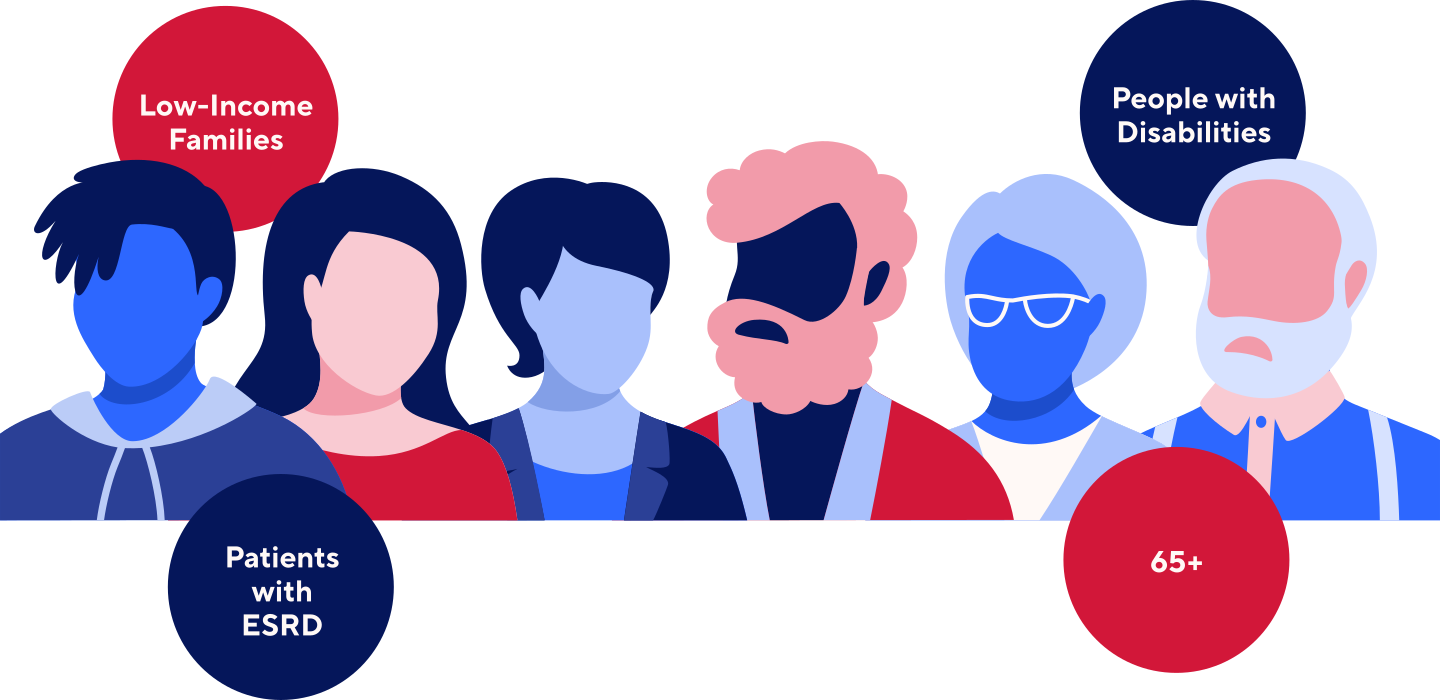
But some in Congress want to reduce funding for these critical programs, jeopardizing access to high-quality, affordable healthcare for our seniors, patients with disabilities, and other vulnerable communities.
The Problem
Underpayments to Medicare weaken a strained system
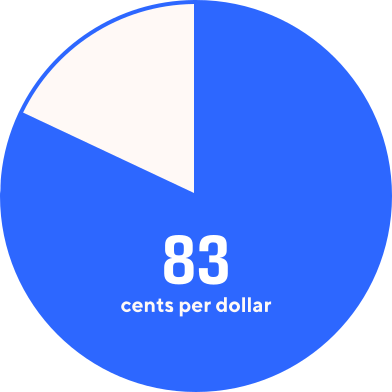
For every dollar hospitals spend caring for Medicare patients, the federal program reimburses just 83 cents.
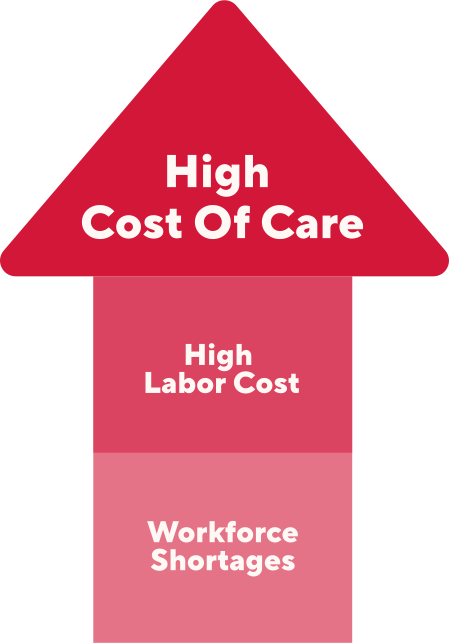
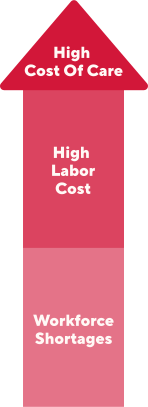
The cost of care is rising due to financial strain
This financial strain is further worsened by severe underpayments from the federal government for care provided through Medicare.

Since 2010 alone, about 150 rural hospitals have been forced to close or convert.
Medicaid cuts hurt underserved communities and vulnerable patients.
The Medicaid Disproportionate Share Hospitals (DSH) program provides critical support to hospitals serving the nation’s most vulnerable patients, but cuts to the program threaten hospitals’ ability to continue providing essential services to underserved communities.
Medicare Advantage plans that delay and deny care threaten Medicare patients.
By rejecting claims, some Medicare Advantage plans can threaten rural hospitals and patients.
Medicare Advantage plans too often submit inflated bills to the public program and repeatedly refuse to reimburse hospitals for the care they provide.
The Solution
Congress must prevent cuts to Medicare and allow hospitals to continue providing essential services in underserved communities. Congress should continue to increase oversight of Medicare Advantage plans to help ensure enrollees have equal access to medically necessary healthcare and that hospitals are reimbursed for the care they provide.