
Protecting Access to Care
Who it Affects
Hospitals and health systems provide life-saving, high-quality care to America’s patients, 24/7, regardless of their ability to pay. Instead of safeguarding the essential services hospitals provide, some in Congress are proposing misguided policies that would threaten access to care for patients nationwide. Excessive administrative burdens from commercial insurers add to hospital strain and further threaten access to care.

Rural hospitals would be impacted most as they are often the only sites of care in their area, providing much-needed support to vulnerable populations, such as seniors and people with disabilities. As Congress continues to debate cuts to Medicare and Medicaid, and so-called “site-neutral” policies, these groups feel the effects of Congress’s decisions most.
What are "Site-Neutral" Policies?
These policies would set a single, one-size-fits-all payment rate for medical procedures, paying full-service hospitals the same as less comprehensive clinics—without accounting for the specialized staff, 24/7 readiness, and emergency services that only hospitals provide and patients depend on.
The Problem
“Site-neutral” policies ignore the essential, irreplaceable services hospitals provide to patients.1
Hospitals provide crucial services under financial strain
By cutting reimbursements to hospitals and health systems already facing financial strain, these policies would jeopardize access to essential services that only hospitals provide, such as burn units, neonatal care, and critical care services.
Hospitals must be available 24/7 to treat all patients
Hospitals routinely treat sicker patients with more complex and chronic conditions who may be unable to receive adequate care at physician offices or urgent care centers. They are better equipped to handle complications and emergencies than these facilities. Hospitals are also legally required to treat any patient who walks through their doors, regardless of their ability to pay.
Hospitals in rural areas are at risk of closing
For those in rural areas, where over 30% of hospitals are at risk of closing, site-neutral threats are even more severe. Medicare patients in rural communities disproportionately rely on hospitals to meet their healthcare needs. Many of these areas are also maternal care deserts — meaning expectant parents would have to travel farther for adequate care.
Burdensome billing practices from commercial insurers threaten patient outcomes.2, 3
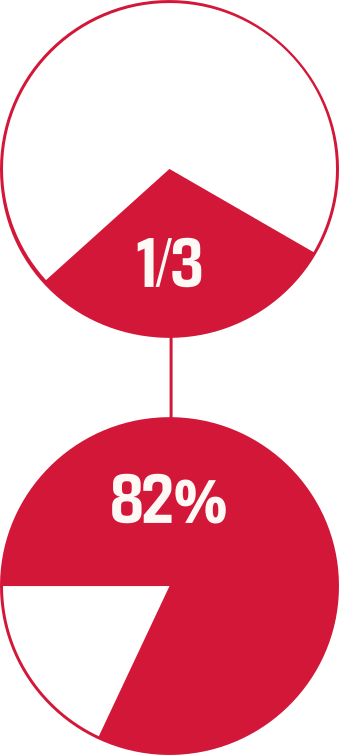
Administrative costs in healthcare spending
Attributed to billing and insurance
9 in 10
nurses say insurer-related administrative burdens have a negative outcome on patient outcomes.
Majority
of nurses have seen administrative tasks increase over the last five years.

The Solution
Hospitals and the healthcare workers who power them have unique capabilities, providing essential, life-saving services to American families 24/7. Additional funding cuts would have a direct impact on the level of care and services available to all patients, especially seniors and people with complex conditions. Congress should work to address the real factors driving higher healthcare costs, such as burdensome administrative practices, instead of threatening access to care at hospitals that keep our families healthy and safe.