
The Coalition to Strengthen America’s Healthcare was formed in 2000 to protect access to the best quality healthcare for all Americans. The Coalition represents the interests of more than 5,000 community, children’s, teaching, public, religious, rehabilitation, behavioral health, and long-term care hospitals, and their patients.
One-third of all hospitals are losing money. There is a healthcare workforce crisis gripping the country. The Coalition works to ensure speedy action on hospital payment relief legislation. Later in the year, in response to the House Budget Committee endorsing billions of dollars in Medicare and Medicaid cuts, the Coalition mobilizes to remind lawmakers that Medicare and Medicaid provide critical healthcare services for our most fragile citizens.

In February and March, the Coalition works to stop the Administration’s budget proposal for Fiscal Year 2007 that would cut $36 billion from Medicare and $13.6 billion from Medicaid, because we know how vital these services are to communities and hospitals all over the country.

Throughout the year, the Coalition mobilizes to protect Medicare and Medicaid, including working to keep $20 billion a year in cuts over five years from being included in the final Inpatient Prospective Payment System (IPPS) rule. More than 400 members of the House vote against the cuts, but the Administration and Centers for Medicare & Medicaid Services (CMS) ignore them, forcing Congress to pass additional legislation to protect our seniors.
The Coalition fights to prevent $3.7 billion in cuts to hospitals, to make sure patient care could be maintained at all of our community hospitals.

As the debate over the federal deficit rages on, hospitals are at risk of severe cuts. Deep cuts to Medicare and reimbursements to hospitals are on the chopping block. The Coalition works throughout the year to raise awareness for the importance of America’s hospitals and to urge people to call their members of Congress in support of patient care.

The Coalition launches a digital community to advocate on behalf of hospitals and patient care and raise awareness of the serious problems created by continued cuts to hospital funding.
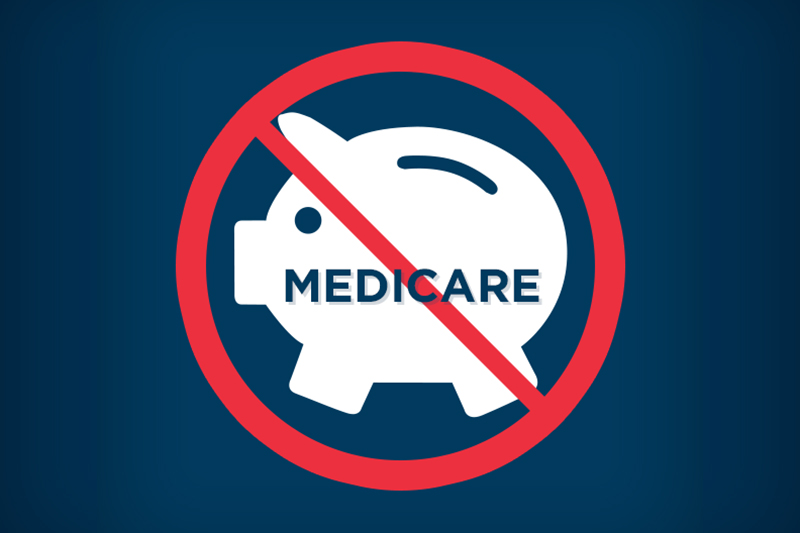
Early in the year, the Coalition dominates the District to oppose proposed cuts to hospital funding. Placing over 100 advertisements in two of Washington, D.C.’s most important metro stations — Union Station and Capitol South — we bring the voice of our community directly to Congress’ doorstep.
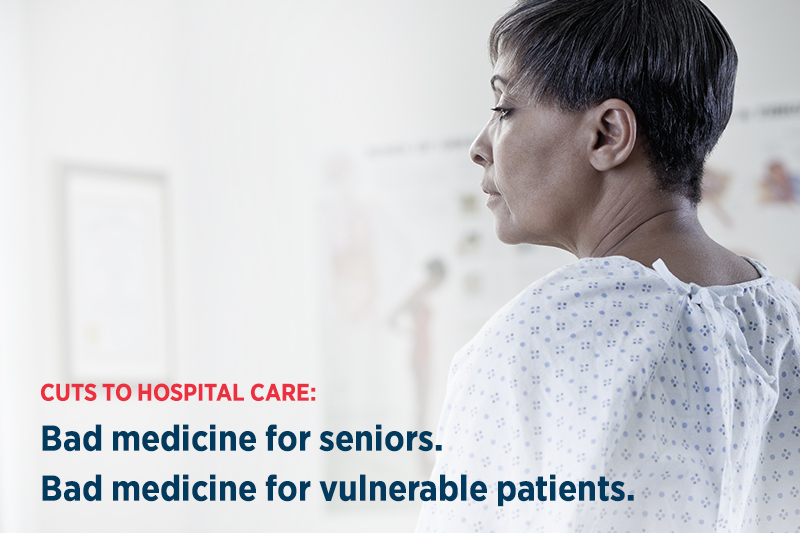
After surpassing one million supporters, the Coalition successfully defends hospitals against potentially devastating funding cuts proposed by Congress using a combination of grassroots activism and compelling ads in Washington, D.C.’s Reagan National Airport.

The Coalition launches a new website to enhance the user experience and keep audience members up-to-date about the latest hospital and healthcare news. The redesigned website outlines the story of the Coalition, by explaining the community’s response to fight back against any threats to patient care.

The Coalition celebrates reaching two million supporters who are dedicated to protecting healthcare for all Americans. The power of this community is realized when the Coalition successfully defends rural hospitals against funding cuts by mobilizing its supporters to send almost 5,000 letters to Congress.

In response to the COVID-19 pandemic, the Coalition activates the community to ensure that patient care is prioritized in the COVID-19 relief package. The community steps up and urges Congress to include critical funding for hospitals to help protect our healthcare workforce and increase our capacity to treat patients. Overall efforts help generate over 253,000 letters and 3,700 tweets to Congress across two COVID relief campaigns.
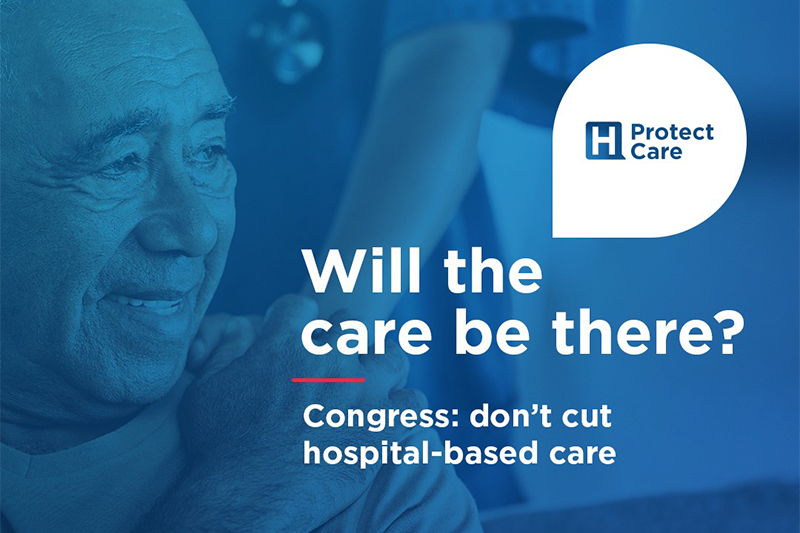
The Coalition activates grassroots members to protect access to care as legislation threatening hospital-based care is debated in Congress. National, state, and Beltway-targeted advertising including Connected TV, out-of-home and digital billboards, and premium newsletter takeovers encourage more than 50,000 advocates to take action and send letters to their Members of Congress.

The Coalition kicked off 2024 with a new name and website — but the same mission of protecting and strengthening America’s healthcare. In 2024, the Coalition again fought to prevent billions of dollars in cuts to patient care, made possible by an expanded advocate base of 2.6 million supporters, who sent more than 173,000 letters and 3,700 stories to Congress sharing why 24/7 access to lifesaving hospital care was so important to them.